Tribology—the science of friction, wear, and lubrication—is quietly becoming one of the most decisive levers for efficiency, reliability, and sustainability in the modern gear industry. As gears operate under higher loads, faster speeds, and more demanding environmental conditions, the interplay between surfaces, lubricants, and materials directly influences everything from transmission efficiency and NVH to oil-change intervals and end-of-life decisions. For Indian and global gear manufacturers, staying abreast of current tribology trends is no longer optional; it is central to remaining competitive in sectors such as automotive, wind energy, aerospace, and industrial automation.
Smart lubrication and advanced gear oils
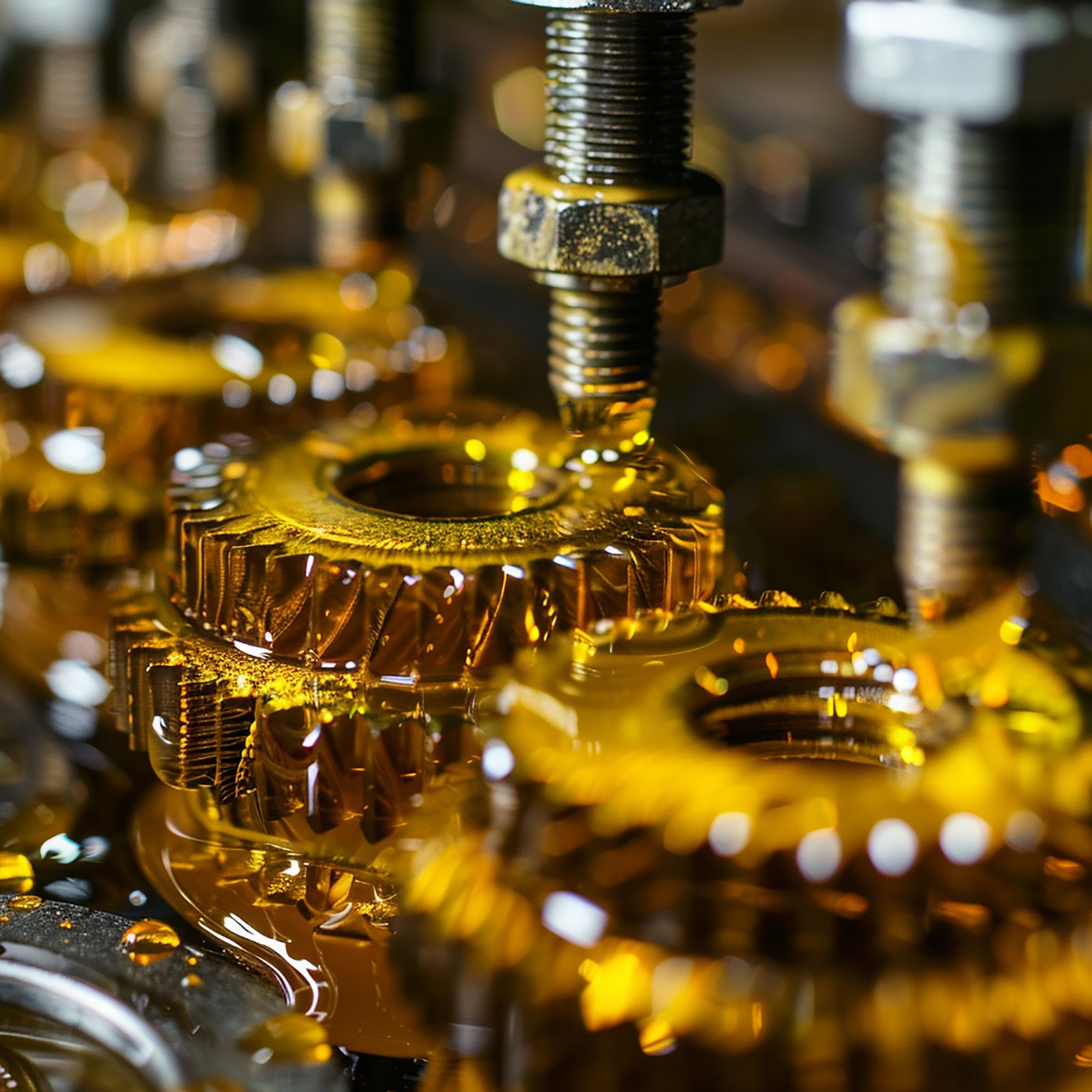
One of the most visible trends in gear-system tribology is the evolution of lubricants from simple viscous fluids to “engineered” chemistries tailored to specific duty cycles and operating environments. Modern gear oils increasingly incorporate friction modifiers, extreme-pressure additives, and oxidation-inhibiting packages that allow the same oil to balance efficiency, wear protection, and thermal stability across millions of load cycles. For wind-turbine and heavy-duty industrial gearboxes, some formulations are even designed to remain in service for seven to ten years with minimal maintenance, reducing downtime and environmental impact.
Beyond chemistry, intelligent lubrication strategies—such as on-demand lubrication systems and condition-based oil-change schedules—are gaining ground. These approaches use sensors and data analytics to monitor viscosity, additive depletion, contamination, and wear-metal concentrations, ensuring lubricant is applied only when and where needed. This “right-amount, right-time” philosophy not only improves fuel or power efficiency but also extends component life and reduces the total volume of lubricants consumed over the gearbox’s lifetime.
Surface engineering and coatings
At the gear-surface level, tribology is being transformed by advanced surface treatments and coatings that reduce friction, enhance wear resistance, and mitigate micropitting and scuffing. Processes such as nitriding, carburising, and plasma-based surface modification are now routinely combined with thin-film coatings like diamond-like carbon (DLC) or nanocomposite layers to create hard, low-friction surfaces that withstand high contact stresses. Studies on treated bearings and gears in wind-turbine gearboxes, for example, have shown contact-fatigue life improvements of up to 2–3 times compared with untreated components, directly attributable to optimised surface tribology.
Micro- and nano-scale surface texturing is another growing frontier. By introducing controlled patterns of dimples or grooves on gear flanks, designers can manage lubricant flow, trap debris, and stabilise thin oil films, especially in mixed- and boundary-lubrication regimes. These geometries, when coupled with the right lubricant rheology, help reduce friction-induced power losses and localise wear, translating into quieter, more efficient, and longer-lasting gear stages.
Green and sustainable tribology
Sustainability is increasingly influencing tribology decisions in the gear industry, giving rise to the concept of “green tribology.” This encompasses biodegradable or plant-based lubricants, low-toxicity additives, and lubrication systems that minimise leakage and re-filling needs—all aimed at reducing the environmental footprint of gear-driven machinery. In automotive and off-highway applications, for instance, manufacturers are exploring vegetable-oil-derived gear oils and low-viscosity formulations that cut rolling and sliding losses while still protecting components from wear.
Beyond materials, the industry is adopting “life-cycle tribology” thinking, where the total cost and impact of friction and wear are evaluated from design through operation and end-of-life, rather than just at the component level. This approach favours materials and coatings that can be repaired or reconditioned, and lubricants that can be regenerated or recycled, aligning with broader circular-economy and carbon-footprint goals. For Indian gear makers integrating into global EV and renewable-energy supply chains, such tribology-driven sustainability practices will increasingly become a market differentiator.
Digitalisation and data-driven tribology
The digital-twin and Industry 4.0 wave is also reshaping gear tribology, enabling more predictive and adaptive management of friction and wear. Digital-clone-type models can simulate gear-mesh contact, elastohydrodynamic lubrication, and degradation mechanisms under real-world operating conditions, allowing engineers to optimise tooth profiles, surface finishes, and lubricant parameters before metal is cut. Machine-learning algorithms are being used to correlate in-service sensor data—temperature, vibration, oil condition, and acoustic signatures—with tribological states, enabling early detection of lubrication starvation, micro-pitting, or scuffing.
These capabilities are particularly valuable for high-value, mission-critical gearboxes, such as those in aerospace, wind turbines, and offshore platforms, where unplanned failures carry severe safety and economic consequences. By integrating tribology models into condition-monitoring and predictive-maintenance platforms, gear manufacturers and operators can move from reactive repairs to proactive life-extension strategies, redefining how reliability and service life are budgeted into system design.
Material and system-level innovation
Behind many of these tribological advances lies a parallel evolution in materials science and system design. Researchers are exploring new bulk materials, composites, and hybrid gear architectures—such as polymer- or metal-matrix-composite gears—that change the friction-and-wear landscape at the interface level. Additive-manufactured gears with graded microstructures or internal lattice designs are also under study, where the component’s internal geometry is tuned to manage heat, stress, and lubricant distribution, not just to meet dimensional requirements.
At the system level, tribology is being addressed “from the source” by integrating lubricant and gear-design optimisation. Instead of treating lubrication as a secondary consideration, leading companies now co-design micro-geometry, lubricant rheology, and surface finish to minimise asperity contact, control film-thickness evolution, and reduce parasitic losses. This holistic view is especially important for electric-drive and high-speed gearboxes, where even small reductions in friction translate directly into higher efficiency, longer range, and lower operating costs.
Final Words
For India’s growing gear industry, the rise of advanced tribology offers both a challenge and an opportunity: to leapfrog legacy practices and adopt next-generation friction, wear, and lubrication strategies that underpin high-performance, low-maintenance drivetrains. By investing in tribology-aware design training, surface engineering capabilities, and data-driven lubrication management, Indian gear manufacturers can position themselves as technology-led partners in global EV, renewable energy, and industrial automation value chains. As tribology continues to evolve, it will remain the quiet engine that keeps gears running smoothly, efficiently, and sustainably for decades to come.