The rapid integration of data analytics into manufacturing is redefining engineering education and fueling the demand for professionals skilled in both domains. With the industries moving deeper into Industry 4.0, this transformation is becoming especially relevant for the gear manufacturing sector, where precision, efficiency, and reliability are critical to performance.
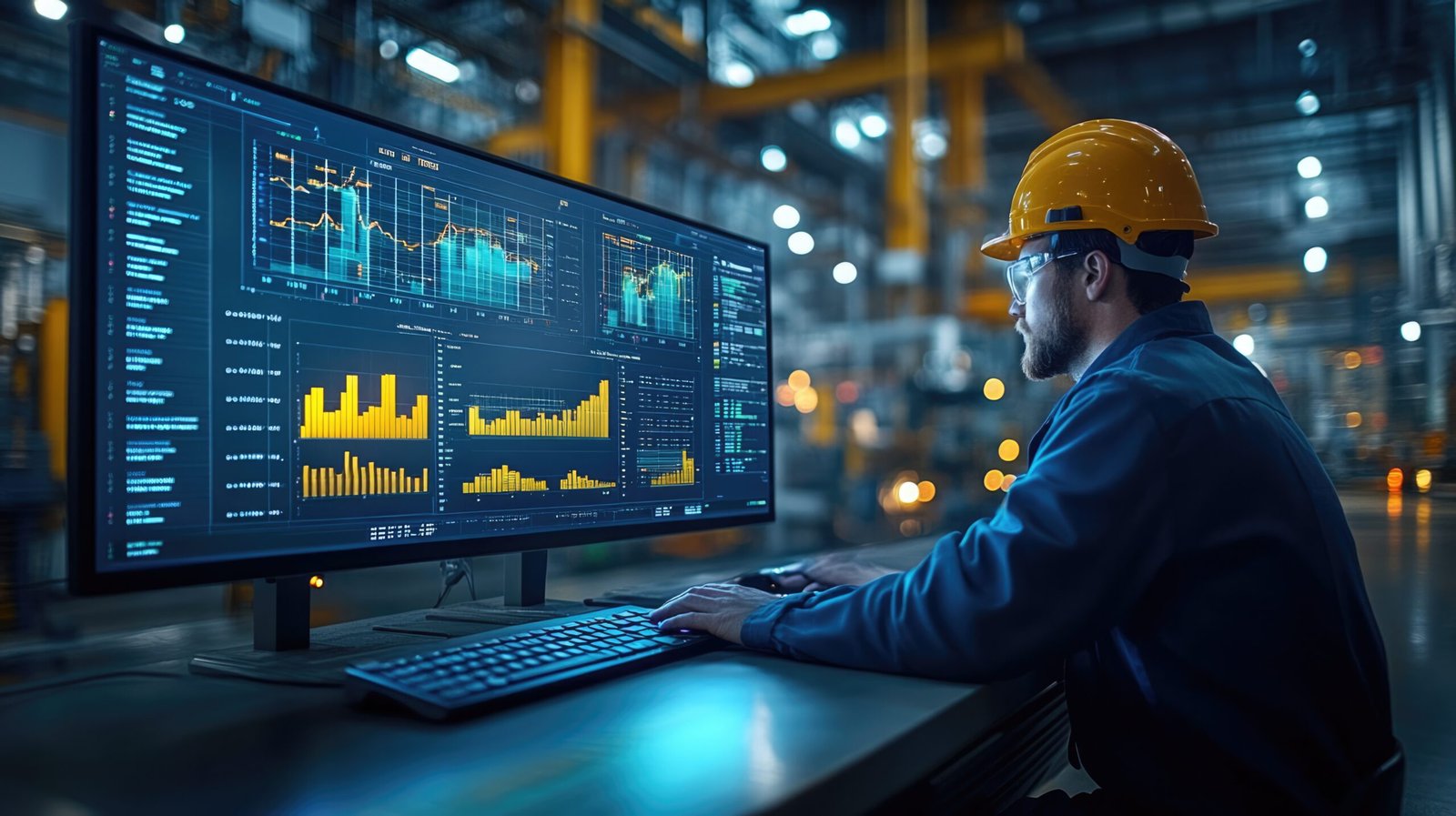
Manufacturing analytics, focused on interpreting data generated from machines, sensors, and production systems, is emerging as a key enabler for improving productivity, quality, and process control. In gear manufacturing, where operations such as hobbing, shaping, grinding, and heat treatment demand micron-level accuracy, data-driven insights are helping companies optimise tool life, reduce cycle times, and enhance gear quality consistency.
To meet this evolving demand, leading academic institutions are integrating analytics, artificial intelligence (AI), and digital manufacturing into their curricula. IIT Madras, for instance, has introduced a one-year Postgraduate Diploma in Manufacturing Analytics, focusing on applications such as predictive maintenance, supply chain optimisation, and quality control. Similarly, IIT Delhi offers programmes in operations management and analytics, along with leadership-focused manufacturing courses in collaboration with IIM Mumbai. IIT Bombay is also advancing supply chain analytics programmes integrated with AI and machine learning.
The National Institutes of Technology are following suit. NIT Jalandhar offers an MTech in Industrial Engineering and Data Analytics, while NIT Warangal and NIT Puducherry provide specialised programmes in computer-integrated and digital manufacturing. Meanwhile, BITS Pilani is delivering smart manufacturing education through its Work Integrated Learning Programmes (WILP), aimed at working professionals seeking to upskill in IoT-enabled and data-driven manufacturing environments.
For the gear industry, these developments come at a crucial time. Modern gear production facilities are increasingly equipped with CNC machines, in-process inspection systems, and IoT-enabled sensors, all of which generate large volumes of operational data. When analysed effectively, this data can enable predictive maintenance of gear cutting tools, real-time monitoring of gear deviations, and optimisation of machining parameters to achieve higher accuracy and surface finish.
Industry experts highlight that engineers today must go beyond traditional mechanical expertise. They need to understand how to leverage analytics and AI tools alongside core manufacturing knowledge. This is particularly important in gear manufacturing, where even minor deviations can impact transmission efficiency, noise, and durability in applications ranging from automotive to wind energy.
There is also a growing trend among gear manufacturers to build in-house digital capabilities. Rather than relying solely on external software providers, companies are investing in upskilling their workforce and hiring engineers who can analyse production data and improve shop-floor decision-making. However, adoption remains uneven. While large gear manufacturers are actively implementing analytics-driven solutions, many MSMEs in the gear ecosystem are still evaluating the return on investment for such technologies.
Challenges persist, including the traditional perception of manufacturing careers compared to IT roles, and resistance among experienced shop-floor professionals toward adopting digital tools. Additionally, effective implementation of manufacturing analytics requires access to real-world industrial datasets, making industry-academia collaboration essential.
Despite these hurdles, the direction is clear. Manufacturing education is rapidly evolving to include analytics as a core component, and its impact on the gear industry is expected to be transformative. As smart factories and digital twins become more prevalent, the demand for engineers who can seamlessly integrate gear manufacturing expertise with data-driven insights will continue to rise.
For the gear industry, this convergence of engineering and analytics is not just a trend, but a strategic necessity to remain competitive in a fast advancing industrial domain.