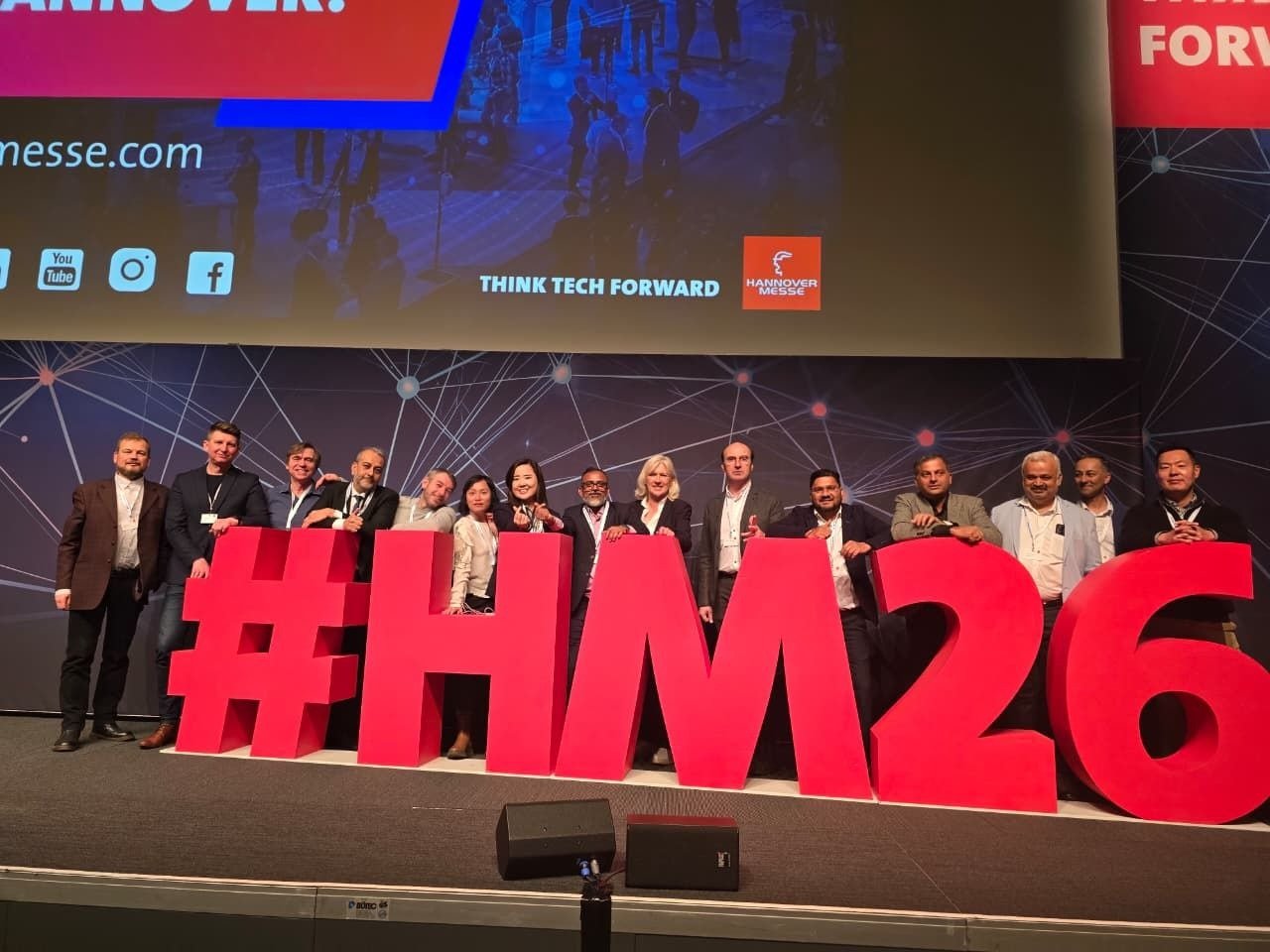
The manufacturing world gathered once again at HANNOVER MESSE 2026, where innovation, collaboration, and technological transformation took centre stage. Despite global economic uncertainties and travel disruptions caused by airline and public transportation strikes, the event reaffirmed its status as the world’s leading industrial technology platform, attracting approximately 110,000 visitors from across the globe.
While attendance was slightly lower compared to the previous edition, the energy on the show floor and the quality of interactions demonstrated that industry stakeholders remain focused on one objective: building a smarter, more competitive, and sustainable industrial future. Around 40 per cent of visitors travelled from outside Germany, with strong participation from China, Brazil, the United States, Japan, and South Korea, underlining the truly international character of the exhibition.
According to Jochen Köckler, the event served not only as a technology showcase but also as a platform for inspiration and strategic direction for industry leaders worldwide. The message throughout the exhibition halls was clear — industry already possesses the tools required for transformation; the focus must now shift toward faster implementation and large-scale adoption.
One of the defining themes of this year’s edition was the growing convergence of artificial intelligence, robotics, automation, and digitalisation. Exhibitors demonstrated how advanced technologies are increasingly being integrated into manufacturing environments to enhance productivity, reduce operational inefficiencies, and improve competitiveness.
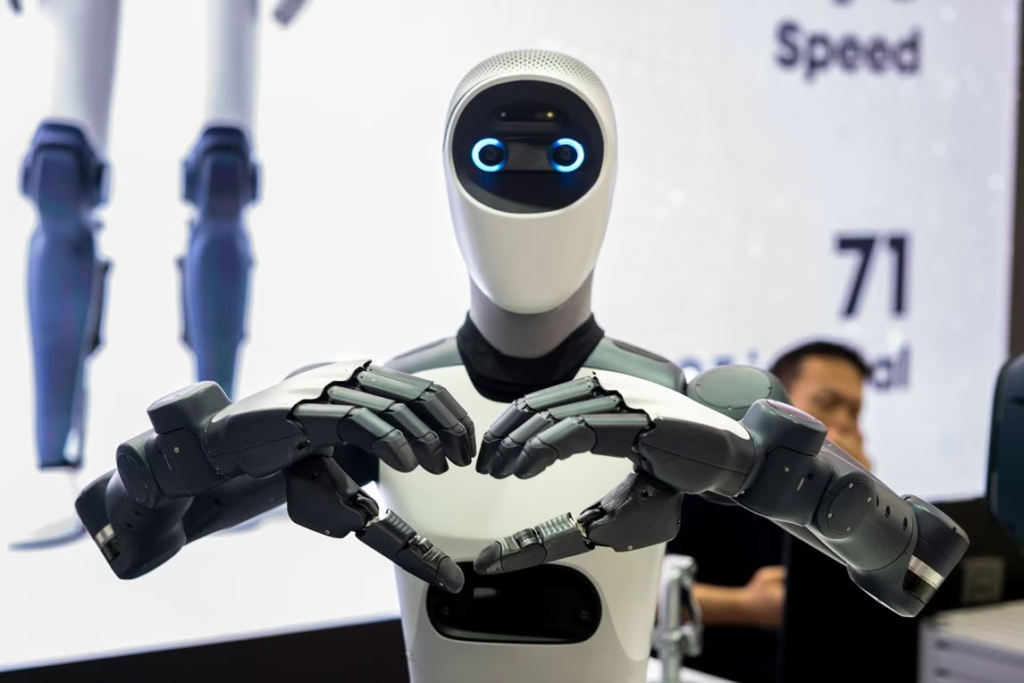
Visitors witnessed AI-supported production systems capable of automating workflows, monitoring machine performance, and predicting failures before downtime occurs. Humanoid robots performing complex motion sequences highlighted the next stage of industrial automation, offering a glimpse into future production and service applications. Energy-efficient technologies and innovative grid infrastructure solutions also drew significant attention as industries continue their journey toward carbon neutrality.
The event attracted a strong lineup of global policymakers and industry leaders. German Chancellor Friedrich Merz and Brazilian President Luiz Inácio Lula da Silva were among the prominent dignitaries present at the exhibition. Industry leaders, including Roland Busch and Christian Klein also participated in discussions focused on industrial competitiveness, digital transformation, and the future of manufacturing.
A recurring discussion throughout the exhibition was the need for improved regulatory conditions across Europe. Industry representatives highlighted concerns around rising operational costs, geopolitical uncertainties, and increasing regulatory complexities that are affecting industrial competitiveness.
However, the event also demonstrated that manufacturers are actively investing in advanced technologies and innovation-driven solutions to address these challenges. Exhibitors reported strong international interest, productive business discussions, and several concrete project opportunities during the fair.
Dr Gunther Kegel, President of the German Electrical and Digital Industry Association (ZVEI) and Chairman of the HANNOVER MESSE Exhibitor Advisory Board, praised the new exhibition concept and particularly highlighted the success of the Centre Stage platform. He emphasised the importance of reducing barriers and accelerating deregulation to strengthen Europe’s position in industrial AI and advanced manufacturing technologies.
Similarly, Thilo Brodtmann stated that the machine and plant engineering sector demonstrated remarkable resilience in responding to global industrial challenges. He pointed out that AI and humanoid robotics emerged as the defining technologies of the exhibition while stressing the importance of political support for industrial SMEs and long-term industrial reforms.
As the official Partner Country, Brazil played a significant role at the exhibition, showcasing its strengths in industrial manufacturing, energy, and digitalisation. The country positioned itself as a reliable global partner and a growing industrial market with strong collaboration opportunities for European and international companies.
The participation of Brazil also reflected the increasing importance of diversified global supply chains and closer economic cooperation between Europe and Latin America. Organisers highlighted that the upcoming Mercosur agreement is expected to further strengthen trade relations and create new industrial business opportunities.
Beyond technological innovation, the 2026 edition also introduced several improvements to the exhibition format. The redesigned hall layout enabled smoother visitor movement and improved accessibility across the showgrounds.
New networking initiatives and Masterclass sessions received positive responses from both exhibitors and visitors. These compact knowledge-sharing sessions allowed companies to present practical solutions while engaging directly with potential customers and partners.
The Center Stage platform emerged as one of the major attractions of the event, drawing nearly 30,000 visitors over the course of the exhibition. The platform hosted high-level discussions, presentations, and knowledge sessions focused on industrial transformation, sustainability, AI, and automation.
Building on the momentum of this year’s edition, organisers announced several strategic developments for the next edition of the exhibition. One of the key additions will be “Europe Energy Week,” organised in collaboration with dmg events. The initiative aims to bring together energy producers, industrial companies, infrastructure providers, and policymakers to accelerate discussions around Europe’s energy future.
Another major change will be the revised exhibition duration. Starting from 2027, the event will run from Monday to Thursday, focusing on the days that traditionally attract the highest business activity and visitor engagement. Organisers believe this streamlined format will further improve efficiency and business opportunities for exhibitors and attendees alike.
Looking ahead, Jochen Köckler emphasised that the future direction of the exhibition will increasingly focus on the practical implementation of AI in industrial systems. The integration of artificial intelligence with real-world manufacturing processes and machinery is expected to shape the next phase of industrial evolution.
With its strong focus on innovation, collaboration, automation, and sustainability, HANNOVER MESSE 2026 once again demonstrated why it remains one of the most influential industrial trade fairs in the world.
Disclaimer: This event report has been compiled using official information and press materials provided by Deutsche Messe AG and the organisers of HANNOVER MESSE 2026. The content has been editorially adapted for publication purposes.