Gear shaping remains one of the most reliable and widely used processes for manufacturing internal and external gears. Central to the accuracy and performance of a gear shaping machine is the gear shaper guide assembly, which plays a crucial role in maintaining alignment, stability, and cutting precision.
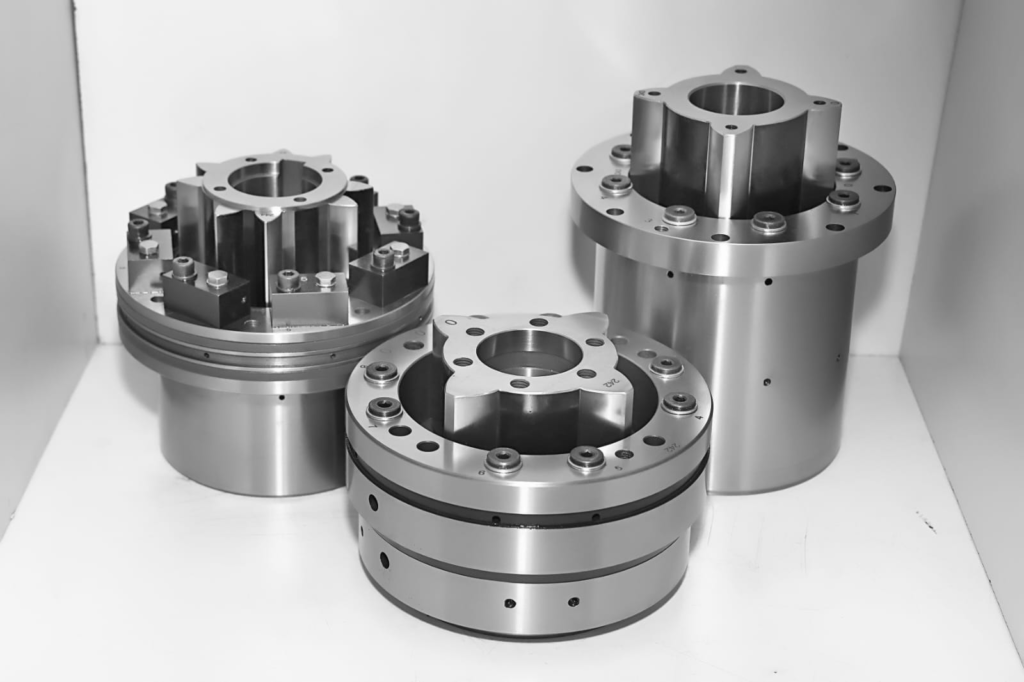
This article provides an overview of gear shaper guide assemblies, their types, functions, and a detailed focus on hydrostatic guide systems.
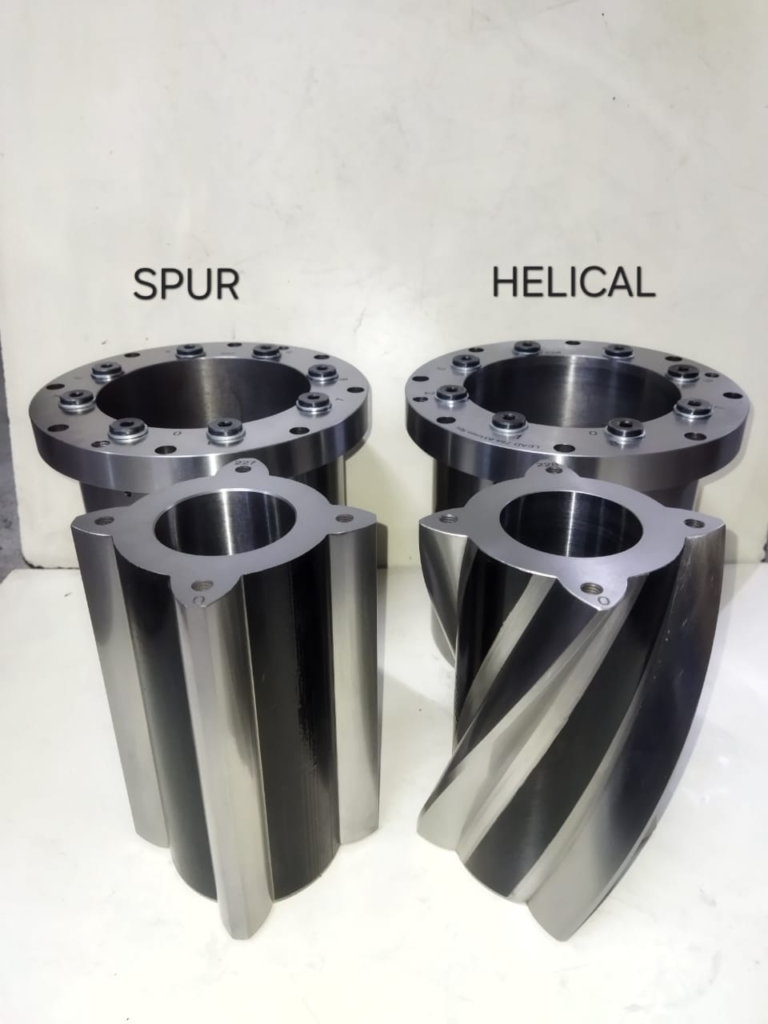
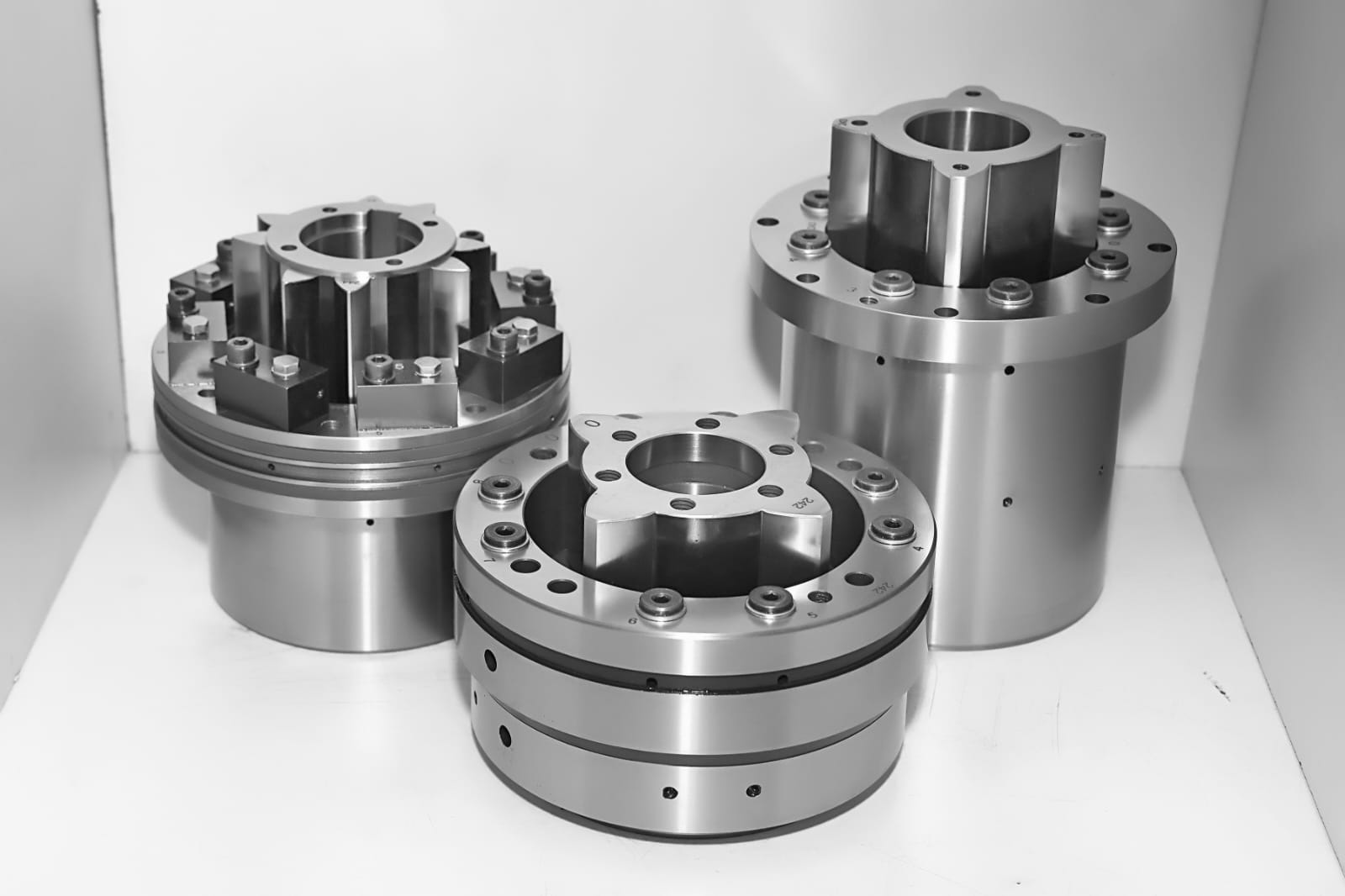
Fig 1
A gear shaper guide assembly is an integral component of a gear-shaping machine. Gear shaping machines are used to generate gear teeth by means of a reciprocating cutting tool that moves in and out of the workpiece.
These machines are capable of producing both internal and external gears. Depending on the guide system used, they can cut:
The guide assembly ensures controlled movement of the cutting tool, enabling accurate formation of gear tooth profiles.
Over the years, different types of guide assemblies have been developed to meet evolving industry requirements. The main types include:
These are traditional guide systems based on mechanical contact surfaces. They rely on precise machining and lubrication for smooth operation.
These guides combine mechanical guidance with hydraulic assistance, offering improved smoothness compared to purely mechanical systems.
Hydrostatic guides use pressurised oil to create a supporting film between moving components. This significantly reduces friction and wear while improving accuracy.
Modern gear shaping machines increasingly use NC (Numerical Control) or electronic guides. Most of these systems operate on hydrostatic guide principles, offering high precision and automation.
The primary function of a gear shaper guide assembly is to ensure accurate positioning and controlled movement of the cutting tool during the shaping process. Its main purposes include:
By performing these functions, the guide assembly directly contributes to the quality, repeatability, and reliability of gear production.
A hydrostatic gear shaper guide assembly operates using pressurised fluid, usually hydraulic oil. The oil is pumped under pressure into specially designed pockets within the guide system.
This pressurised oil forms a thin lubricating layer between moving parts, allowing them to float without direct metal-to-metal contact. As a result:
Compared to conventional mechanical systems, hydrostatic guides provide superior motion control and operational stability.
A typical hydrostatic gear shaper guide assembly consists of the following key components:
The male part, also known as the follower, is mounted at the upper end of the ram or spindle. In some modern machines, this component is integrated directly within the ram or spindle assembly.
Its main function is to move in accordance with the guide body and transmit the required motion to the cutting tool.
The guide body, also called the female part, forms the main structural component of the hydrostatic guide system. It is a static element attached to the rotary drive mechanism.
This component acts as a hydrostatic bearing, allowing the male part to reciprocate or oscillate smoothly within it while maintaining precise alignment.
Capillaries are small, precisely sized flow restrictors incorporated within the guide body. Their primary function is to regulate oil flow and pressure.
By creating a controlled pressure drop, capillaries ensure that each oil pocket maintains stable pressure, resulting in effective load balancing and uniform support.
Pressure seals are installed at the main pressure inlet of the guide body. These seals prevent leakage of pressurised oil and ensure that the oil enters the guide system only through the designated orifices.
They play a critical role in maintaining system efficiency and consistent operating pressure.
Hydrostatic guide assemblies offer several technical and operational advantages over conventional systems:
The pressurised oil film enables smooth and vibration-free movement, resulting in higher positioning accuracy and improved gear quality.
The absence of direct contact between moving parts minimises mechanical wear, extending component life.
Hydrostatic systems can support heavier loads, allowing machining of tougher materials and demanding gear profiles.
Reduced friction and wear lead to fewer breakdowns and longer maintenance intervals, improving overall machine uptime.
The gear shaper guide assembly is a vital element in achieving consistent accuracy and performance in gear shaping operations. Among the various types available, hydrostatic guide systems stand out for their superior precision, durability, and reliability.
With increasing demand for high-quality gears in automotive, aerospace, and industrial applications, the adoption of hydrostatic and NC-based guide systems consists of a hydrostatic function, hydrostatic guide system is the main part of it
More technical details on hydrostatic guides and their components will be covered in the next issue of Gear Technology India.
For further guidance, technical support, and spare parts related to hydrostatic gear shaper guides, readers may contact:
M/s Master Gears and Machinery
Email: hydrostaticguides@gmail.com
Phone: +91-9904255511