Gear manufacturing has always stood at the intersection of precision, performance, and productivity. Among its many critical processes, grinding plays a decisive role in achieving the dimensional accuracy, microgeometry, and surface integrity demanded of modern gears. Yet, this precision comes at a cost – high energy consumption, excessive coolant use, and the environmental impact associated with waste disposal.
In recent years, sustainability has emerged as both a necessity and a competitive differentiator in gear manufacturing. Manufacturers are being compelled to balance productivity with environmental stewardship – reducing resource consumption, minimising waste, and improving energy efficiency, without sacrificing throughput or quality. This shift has turned the spotlight on technologies like Minimum Quantity Lubrication (MQL), coolant and water management, and energy metrics optimisation, each playing a crucial role in making grinding more sustainable and cost-effective.
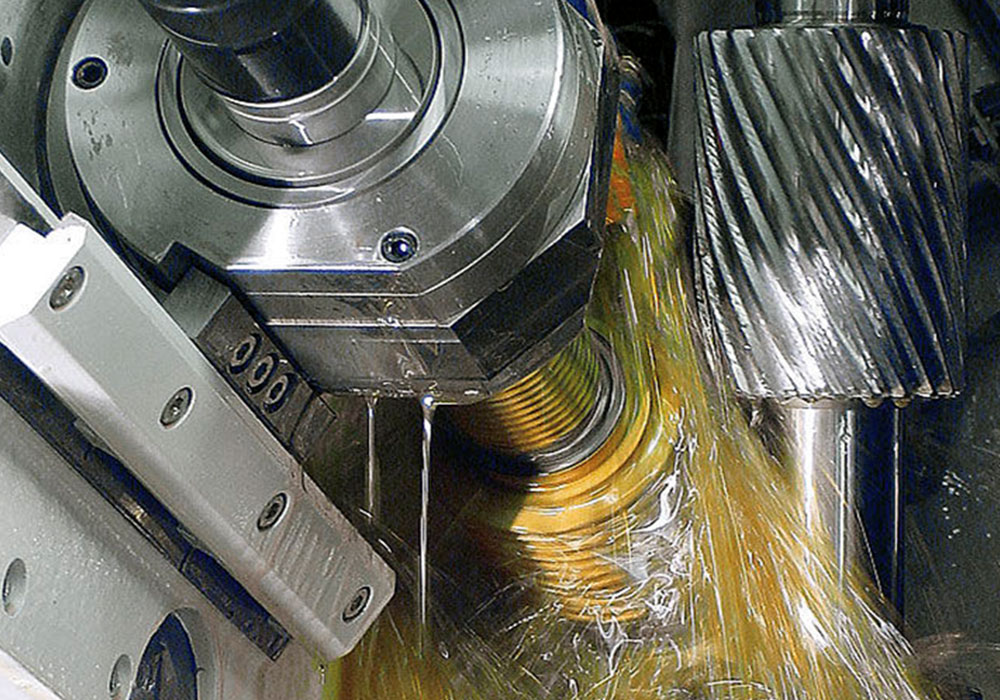
Grinding, by nature, is energy-intensive. High wheel speeds, large contact areas, and continuous use of coolant systems lead to significant power draw and resource consumption. Traditional flood cooling, although effective at maintaining temperature control, contributes heavily to operational costs through fluid procurement, storage, disposal, and treatment. In addition, many conventional coolants contain chemicals that pose risks to worker health and the environment.
Gear manufacturers today face increasing regulatory and customer pressure to operate responsibly. Reducing carbon footprint, adhering to environmental norms, and embracing circular manufacturing principles have become central goals. The good news is that sustainability in grinding doesn’t necessarily mean compromising performance. With careful adoption of modern lubrication, cooling, and energy management technologies, manufacturers can significantly lower their environmental impact, often with gains in cost efficiency and process stability.
Minimum Quantity Lubrication (MQL): Precision in Cooling and Lubrication
Minimum Quantity Lubrication replaces the traditional flood of coolant with a fine aerosol – a blend of air and a small amount of lubricant, delivered directly to the grinding zone. Unlike flood systems that use hundreds of litres of emulsion, MQL relies on just a few millilitres of lubricant per minute. The atomised mist provides sufficient lubrication to reduce friction and minimise heat generation while eliminating the waste and contamination associated with coolant disposal.
In gear grinding, where accuracy and surface integrity are paramount, MQL has demonstrated several advantages:
Despite its advantages, MQL is not a universal replacement for flood cooling. In operations involving high material removal rates or large contact areas, MQL may struggle to dissipate heat adequately. Precise nozzle placement and pressure control are critical to ensuring that the aerosol reaches the grinding interface. Additionally, the use of compressed air increases auxiliary energy consumption, requiring careful optimisation to avoid offsetting environmental gains.
In gear flank grinding, MQL has proven effective when applied under controlled parameters. By maintaining low grinding forces and controlled temperatures, MQL ensures that surface integrity and tooth geometry remain within tolerance. For finishing operations, where removal rates are low and accuracy is critical, MQL offers a viable, eco-friendly alternative to conventional flood cooling.
Water and Coolant Management
While MQL is gaining popularity, most gear manufacturers still rely on conventional coolant systems. Sustainable coolant and water management practices can significantly reduce environmental impact without major process overhauls.
Flood cooling typically uses water-oil emulsions in large volumes. Over time, these emulsions degrade, leading to bacterial growth, pH imbalance, and loss of cooling performance. Disposal of used coolant, often classified as hazardous waste, adds considerable cost and regulatory burden. Additionally, the pumps and filtration systems used in these setups contribute to high auxiliary energy consumption.
In gear grinding, where coolant plays a vital role in maintaining dimensional accuracy, well-managed coolant systems ensure stable temperature control. Consistent cooling prevents thermal distortions, reducing the risk of profile deviations or microcracks on the gear flanks. By combining effective coolant management with proper filtration, manufacturers can extend coolant life, reduce disposal costs, and maintain high process reliability — all without affecting throughput.
Energy Metrics in Grinding: Measuring What Matters
Grinding is one of the most energy-consuming processes in gear manufacturing. A significant portion of this energy converts to heat, which must then be dissipated, further adding to the cooling demand. Therefore, understanding and managing energy metrics is central to sustainability.
Balancing Sustainability, Throughput, and Quality
The core challenge in sustainable grinding lies in achieving environmental goals without compromising productivity or part quality. Gear manufacturing demands exceptional precision, surface finishes often under 0.4 μm Ra, tight flank tolerances, and consistent geometry across batches.
Implementing MQL or reducing coolant flow must not induce thermal damage, burns, or residual stress that affect gear performance. Therefore, sustainable strategies must be integrated through a balanced, data-driven approach:
Through such systematic approaches, manufacturers have demonstrated that MQL and efficient coolant systems can sustain or even enhance throughput when applied correctly. In fact, reduced wheel wear and better heat control often translate to longer dressing intervals and lower downtime, improving overall productivity.
Case Insights: Gear Grinding Sustainability in Action
Several leading gear manufacturers have already begun integrating sustainable grinding practices. In one example, a European gear plant transitioned from conventional flood cooling to a hybrid MQL-NMQL system for fine grinding of hardened steel gears. The results were striking: fluid consumption dropped by 98%, specific grinding energy decreased by 12%, and tool life improved by nearly 15%.
In another case, an automotive gear supplier installed a coolant recycling unit with advanced ultrafiltration and temperature control. The system reduced water consumption by 70% and cut coolant waste by half, while maintaining identical cycle times and quality levels.
Machine tool manufacturers, too, are incorporating smart energy monitoring systems. By tracking spindle load, coolant pump activity, and idle time, they achieved up to 15% energy reduction across production lines, proving that sustainability and productivity can indeed coexist.
Practical Implementation Guidelines
To achieve meaningful sustainability gains in gear grinding, manufacturers should take a structured and measurable approach:
Future Outlook
The future of sustainable grinding lies in smart integration. Emerging trends like AI-driven process optimisation, biodegradable nanolubricants, and cryogenic-assisted MQL are set to redefine efficiency and sustainability standards. Machine tools are becoming more intelligent, capable of self-adjusting parameters in real time to balance energy and quality.
At the same time, regulations around waste disposal and carbon emissions will continue to tighten. Manufacturers who invest early in sustainable grinding technologies will not only comply with these requirements but also gain a strategic edge through cost savings, reduced downtime, and enhanced brand reputation.
Conclusion
Sustainability in grinding is no longer an abstract ideal; it’s an operational imperative. For gear manufacturers, adopting MQL, improving coolant management, and optimising energy metrics offers a clear pathway toward reducing environmental footprint while preserving, or even enhancing, throughput.
By combining technological innovation with disciplined process control, the industry can achieve greener, cleaner, and more profitable grinding operations. As the drive toward sustainable manufacturing accelerates, the message is clear: precision and productivity need not come at the planet’s expense; they can, and must, coexist in perfect balance.