The manufacturing world is undergoing a significant transformation, driven by the blend of conventional engineering expertise and advanced automation technologies. This change is clearly visible on the shop floor, where precision, productivity, and performance are now deeply interconnected rather than separate priorities.
Against this backdrop, Sushmita Das, Associate Editor of Gear Technology India, recently had the opportunity to undertake an industrial visit to Mii Robotics Pvt. Ltd., a subsidiary of Patil Automation Ltd. The visit offered a comprehensive look into how specialised automation solutions are enhancing gear finishing processes, an often underappreciated yet critical stage in gear manufacturing.
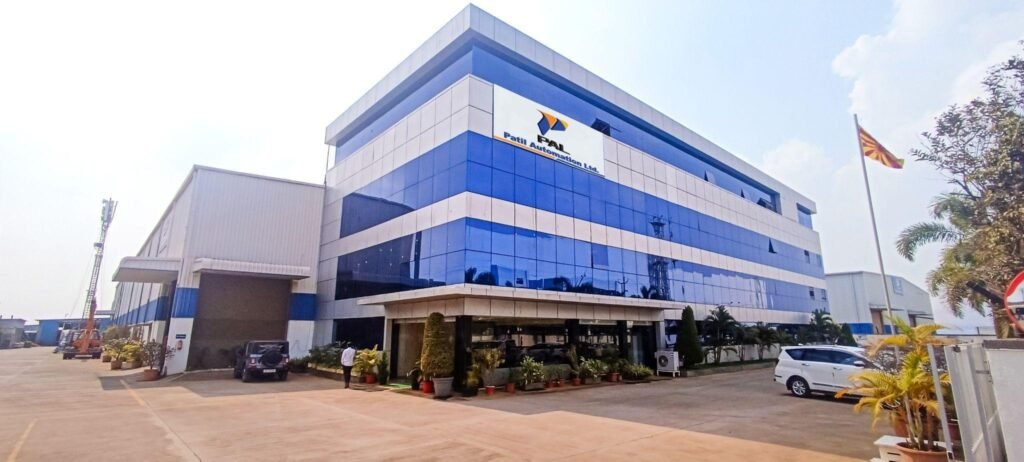
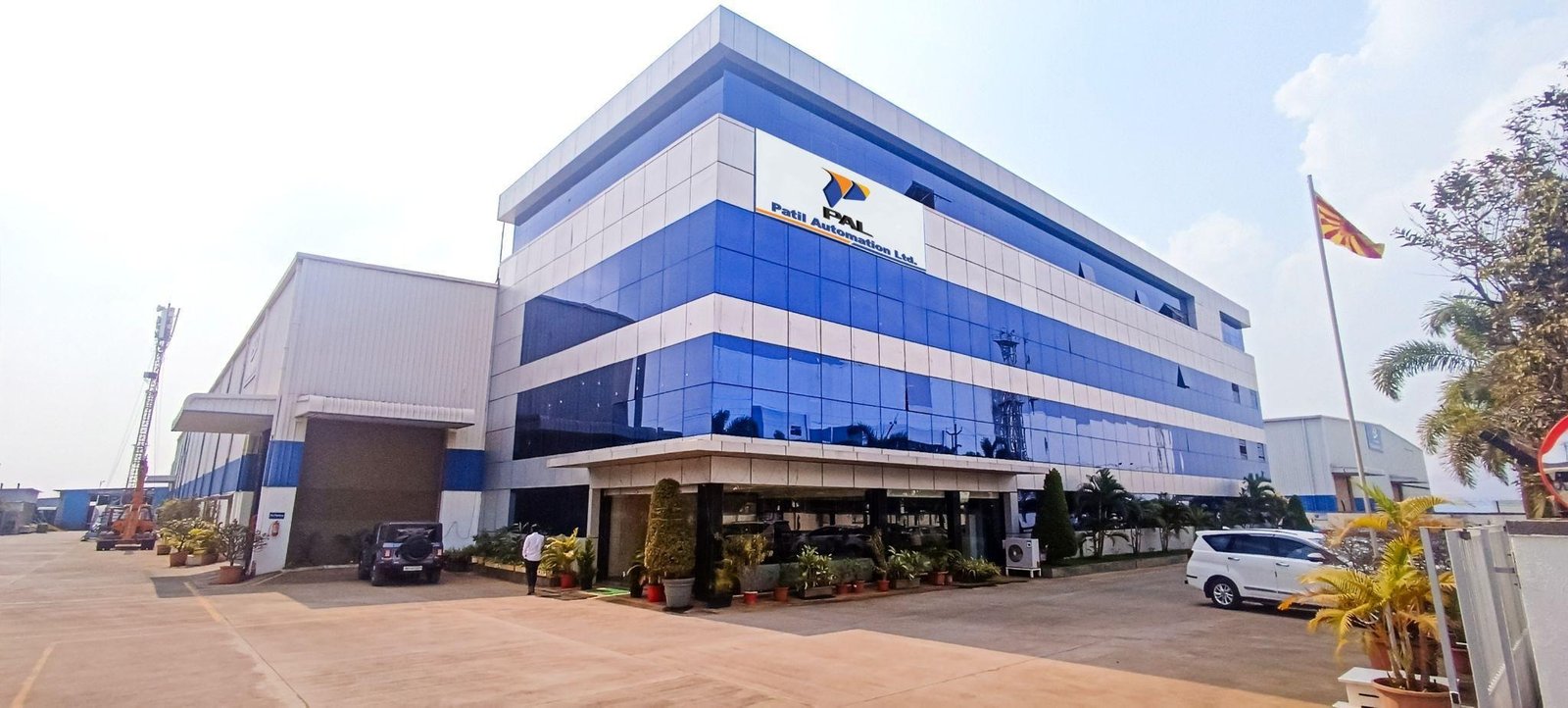
Patil Automation Ltd.
The visit commenced with an immersive walkthrough of the facility, offering a close look at how automation seamlessly integrates with precision engineering on the shop floor. From the very first glance, the environment reflected a strong commitment to structured workflows, safety, and technological sophistication. Advanced machines, neatly organised workstations, and clearly defined operational zones highlighted a production ecosystem designed for efficiency and consistency. The presence of safety systems, intuitive control panels, and operator-friendly interfaces further underscored the company’s focus on both performance and usability.
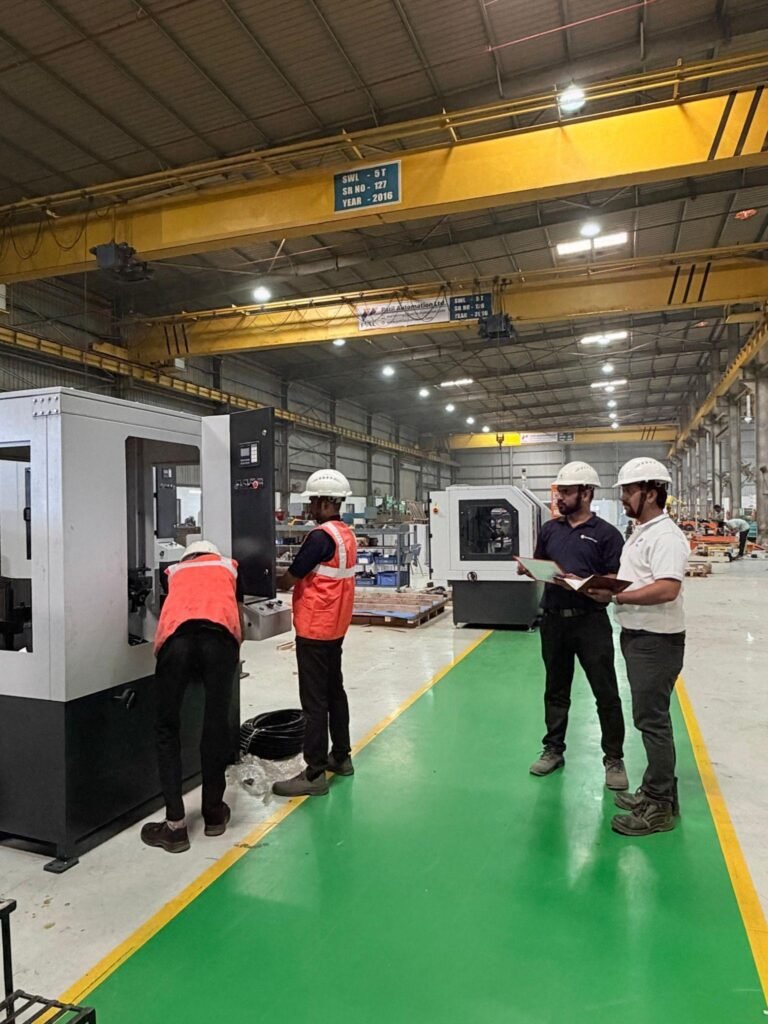
Image- 1 Rupesh Wagh, Assistant Manager, Mii Robotics, along with the team
Accompanying the visit was Rupesh Wagh, along with members of the technical and business development teams, who provided valuable insights at every stage. Their detailed explanations went beyond surface-level descriptions, offering a deeper understanding of machine functionalities, process flows, and the engineering considerations behind each solution. This interaction transformed the walkthrough into a highly engaging and informative experience, bridging the gap between technical specifications and real-world application.
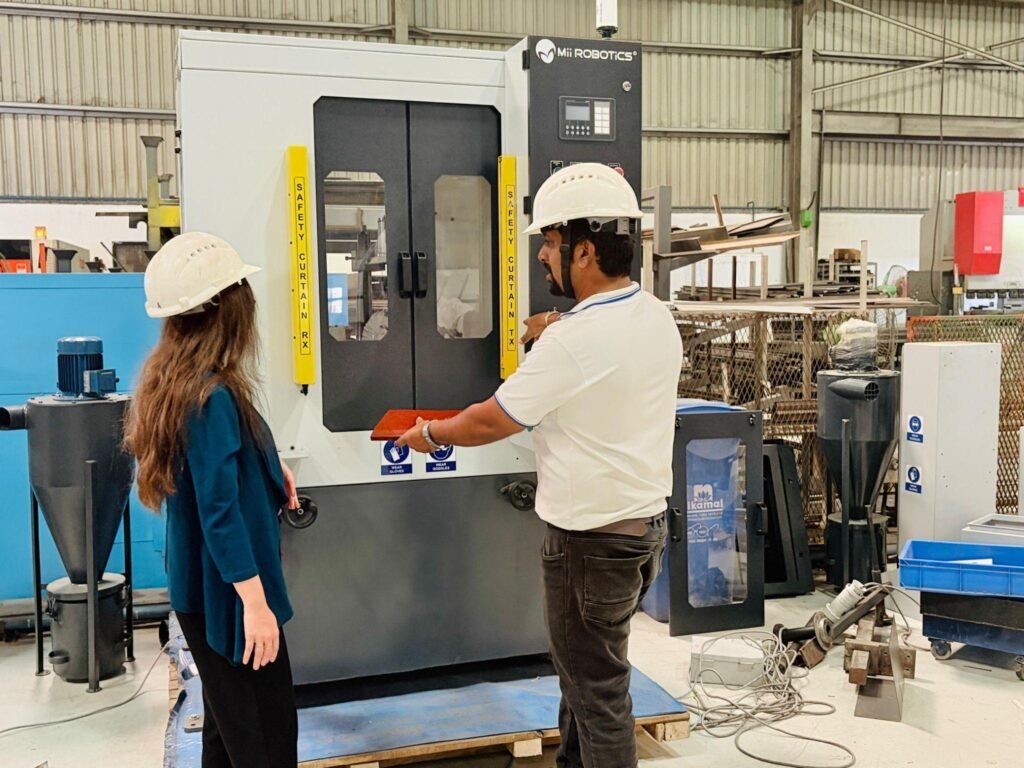
Image-2 Insights from the shop floor: Rupesh Wagh detailing the functionality of a deburring machine to Sushmita Das at Mii Robotics.
What stood out most was how each machine on the shop floor represented more than just a standalone piece of equipment—it reflected a specific industrial challenge and its corresponding solution. Whether it was compact systems engineered for smaller, high-precision gears or robust, customised setups designed for large and complex components, every solution demonstrated a clear purpose. The facility as a whole conveyed a thoughtful and application-driven approach, where innovation is not just about technology, but about addressing the evolving needs of modern manufacturing.
Mii Robotics positions its solutions around a powerful idea: as legacy converges with innovation, precision and performance take the lead. This philosophy is embodied in their Gear Teeth Expert Machine Series, a lineup designed specifically to address the complexities of gear deburring and finishing.
Gear deburring, though often considered a secondary process, plays a vital role in ensuring performance, durability, and safety. Improperly finished gears can lead to noise, wear, inefficiency, and even system failure. Recognising this, Mii Robotics has developed solutions that combine automation, consistency, and adaptability.
One of the highlights of the visit was the detailed exploration of the GTX series, a range of machines engineered to handle varying gear sizes and requirements.
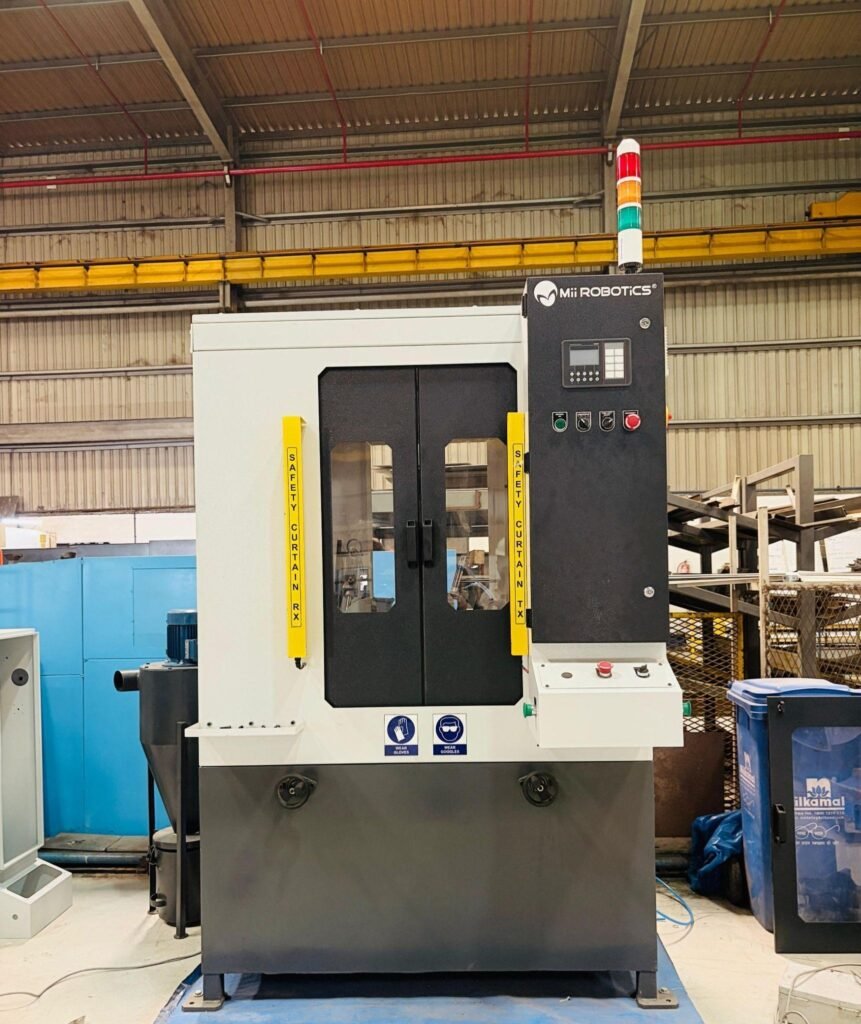
Image-4 Gear Deburring Machine
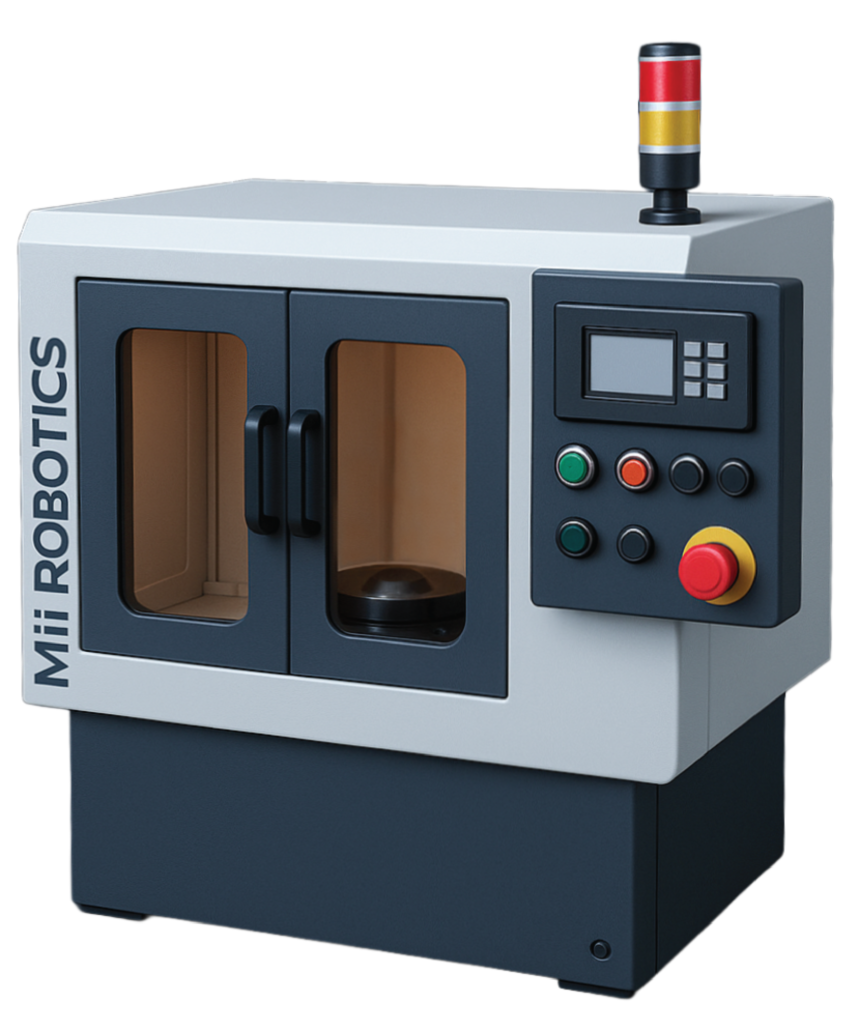
The GTX100 is designed for smaller gears, with a diameter range of 20 mm to 100 mm and supported modules from 0.5 to 2. Its compact tabletop design makes it particularly suitable for facilities where space is limited but precision cannot be compromised.
Despite its size, the machine delivers consistent deburring performance, ensuring uniform finishing across components. It is especially relevant for applications where smaller gears play a critical role in larger assemblies, such as in precision instruments or compact mechanical systems.
Moving up the range, the GTX300 caters to gears with diameters between 50 mm and 300 mm and modules ranging from 2 to 8. Available in both 1H and 2H configurations, and in standard and advanced variants, this machine offers flexibility to suit diverse production requirements.
During the demonstration, several features stood out:
These capabilities translate into improved productivity and quality—two parameters that are often difficult to balance in manufacturing environments.
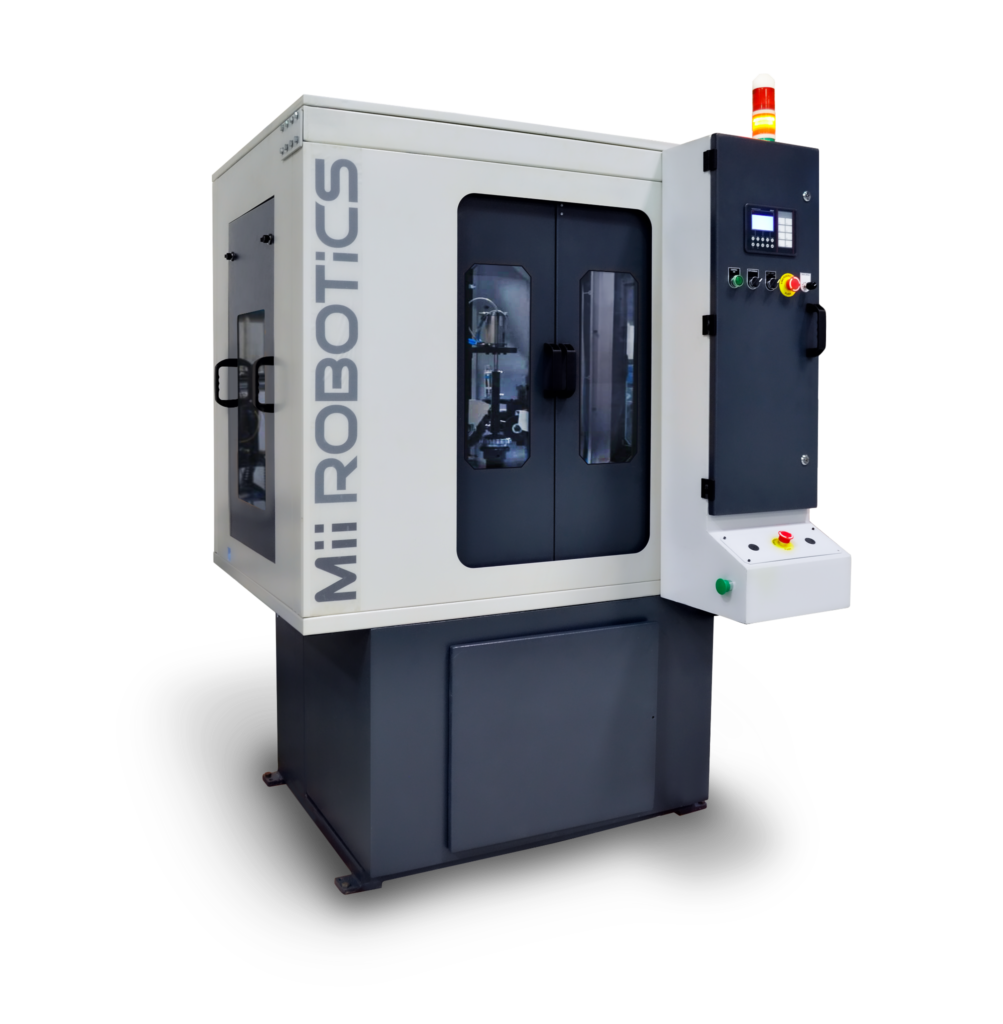
For larger gears, the GTX500 provides a robust solution. With a gear diameter capacity of 200 mm to 500 mm and support for modules ranging from 2 to 8, this machine is designed for demanding industrial applications.
The configurations available within the GTX500 range allow manufacturers to tailor the machine to their specific needs. Industries dealing with heavy-duty machinery, such as wind energy, railways, and defence, can particularly benefit from its capabilities.
What stood out during the visit was the emphasis on maintaining uniformity even at larger scales. As gear size increases, maintaining consistent finishing becomes more challenging, and the GTX500 addresses this with precision-focused engineering.
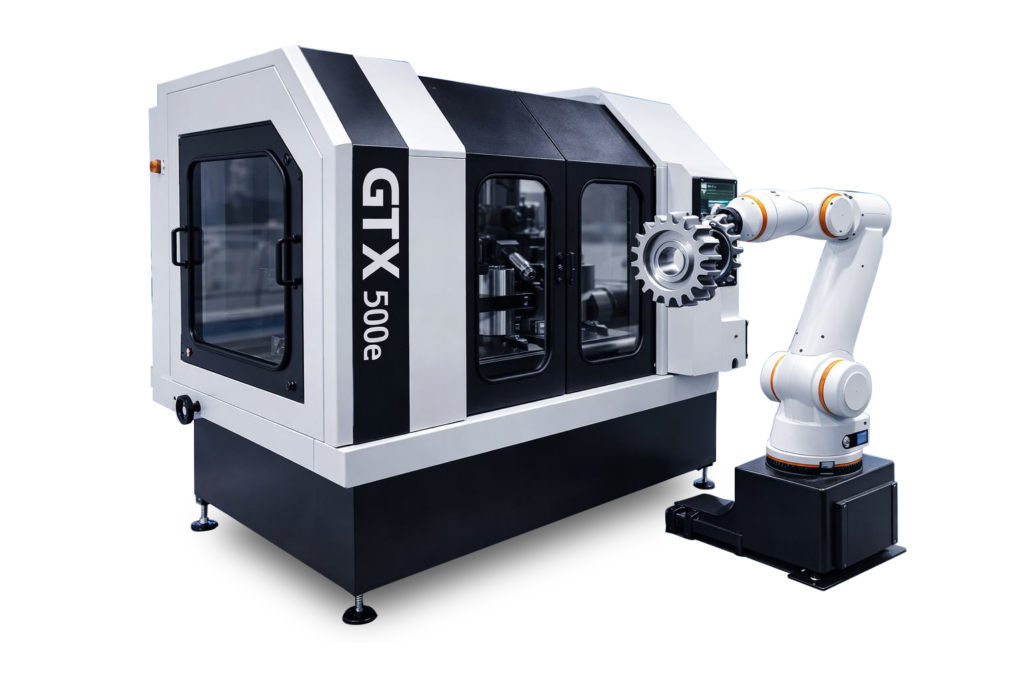
Beyond the standard GTX lineup, Mii Robotics offers the GTNX series—engineered for gears with diameters exceeding 500 mm. This series represents a shift towards customised automation, where solutions are tailored to specific components and production environments.
The GTNX machines incorporate several advanced features:
The emphasis here is not just on performance but on creating a holistic solution that integrates with the broader manufacturing ecosystem.
A notable aspect across all machine variants is the focus on operator convenience. Ease of operation, intuitive controls, and automated cycles reflect an understanding that technology must be accessible to deliver its full value.
Rather than replacing human expertise, these machines are designed to augment it, minimising errors, reducing fatigue, and enabling operators to focus on higher-value tasks.
The versatility of Mii Robotics’ solutions is evident in their wide range of applications. The machines cater to industries such as:
This broad applicability highlights the universal importance of gear finishing. Regardless of the sector, the quality of gears directly impacts system performance, efficiency, and longevity.
What made the visit particularly enriching was the opportunity to connect technical features with practical applications. The explanations provided by the team helped bridge the gap between machine specifications and real-world use cases.
It became clear that the focus is not just on building machines, but on solving manufacturing challenges, whether it is improving consistency, reducing cycle times, or adapting to unique component geometries.
The shop floor itself reflected a balance of structure and flexibility. While processes were clearly defined, there was also room for customisation and innovation, an essential combination in today’s dynamic industrial environment.
As the manufacturing industry moves towards higher precision, tighter tolerances, and increased automation, processes like deburring are gaining greater importance. No longer viewed as a finishing touch, they are now integral to overall product quality.
Mii Robotics’ approach underscores this shift. By focusing on automation, consistency, and customisation, the company is contributing to a broader transformation in how gears are manufactured and finished.
The industrial visit to Mii Robotics provided valuable insights into the evolving role of automation in the gear finishing process. From compact tabletop machines to large-scale customised solutions, the Gear Teeth Expert Machine Series reflects a deep understanding of industry needs.
For Gear Technology India, such visits are an opportunity to go beyond surface-level observations and engage with the technologies shaping the future of manufacturing.
Ultimately, the experience reinforced a key takeaway:
In modern manufacturing, precision does not end with machining—it is perfected through finishing.
And as companies like Mii Robotics continue to innovate, the future of gear production looks not just efficient, but exceptionally refined.
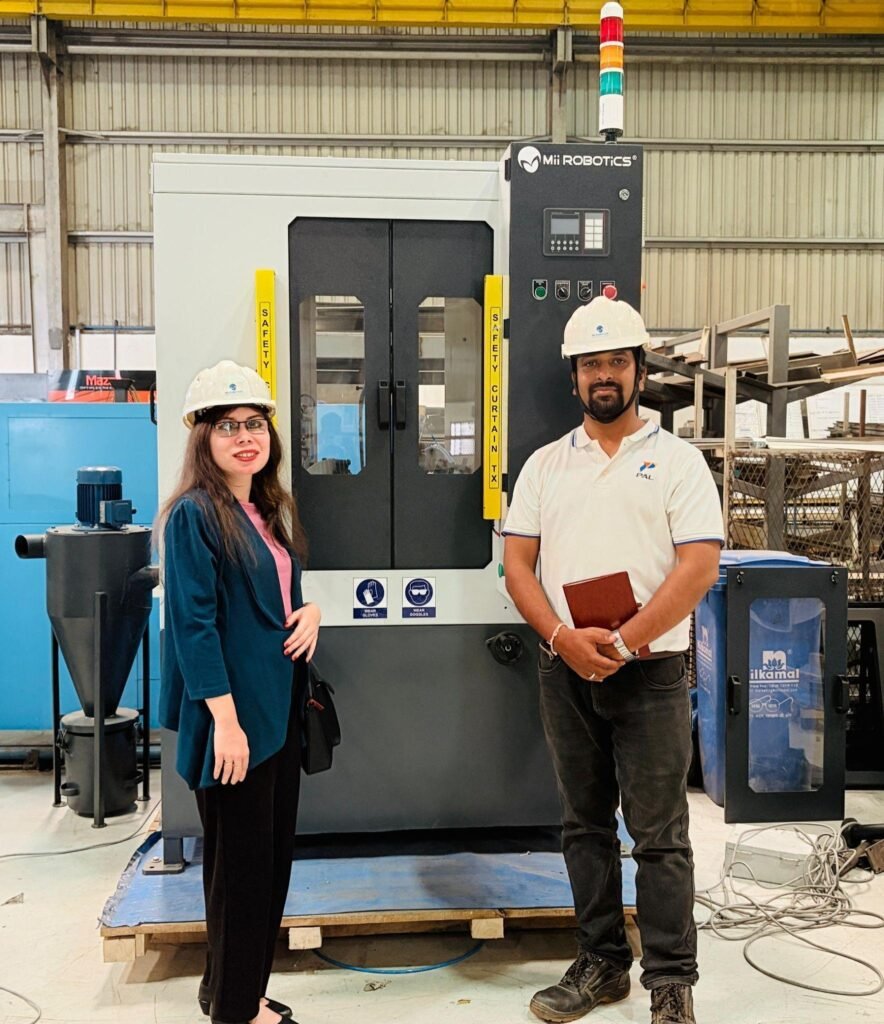
Sushmita Das, Associate Editor with Rupesh Wagh Assitant Manager, Business Development, Mii Robotics