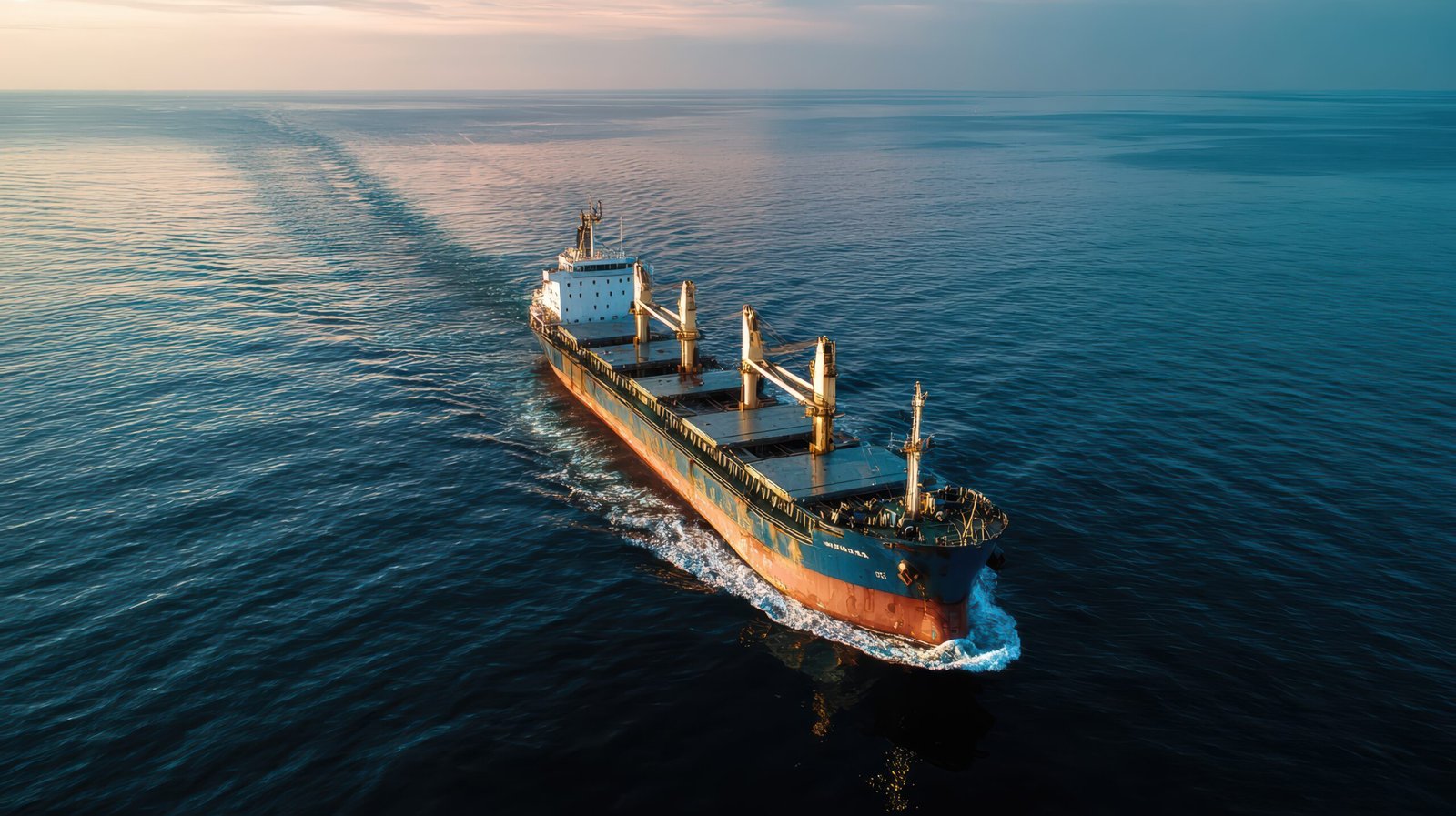
India is preparing to take a major step toward maritime self-reliance, with the Centre expected to approve a ₹30,000 crore shipbuilding cluster in Andhra Pradesh. The proposed development is aimed at significantly enhancing the country’s shipbuilding capacity, strengthening domestic shipping infrastructure, and positioning India as a competitive global maritime hub.
According to Union Minister for Ports, Shipping and Waterways Sarbananda Sonowal, the government is likely to grant in-principle approval for the project later this month. The mega cluster, planned at Dugarajapatnam in Andhra Pradesh, will be developed as the National Shipbuilding and Heavy Industries Park.
The project is expected to become the largest shipbuilding cluster in India, with a projected capacity of 1.2 million gross tonnage. The initiative is designed to create an integrated ecosystem for shipbuilding, ship repairs, and allied maritime services while supporting India’s long-term vision of increasing its fleet of India-flagged vessels.
The development comes amid rising global shipping uncertainties and geopolitical tensions that have highlighted the importance of resilient maritime supply chains. Recent disruptions in West Asia have accelerated India’s focus on strengthening alternative shipping routes and expanding domestic maritime capabilities. Government data indicates that sailings to alternative ports increased sharply from 105 in February to 232 in April 2026, ensuring continuity in trade operations despite regional instability.
As part of its broader maritime strategy, the government is also targeting a substantial expansion of domestic shipping tonnage. Official estimates indicate a demand for 437 vessels worth nearly ₹2.2 lakh crore over the next two decades across government-linked entities. The procurement strategy is expected to prioritise Indian manufacturers under the Make in India initiative, encouraging local production of advanced vessels, including very large gas carriers (VLGCs).
Minister Sonowal stated that the government intends to ensure that the majority of complex vessel construction takes place within India, with only a limited portion allocated to international shipyards. The move is expected to drive technology transfer, enhance indigenous capabilities, and generate skilled employment opportunities across the maritime and heavy engineering sectors.
The Andhra Pradesh cluster is also expected to create significant downstream opportunities for industries such as steel, heavy engineering, electronics, logistics, and industrial manufacturing. Industry observers believe the project could help reduce India’s dependence on foreign-built ships while improving the competitiveness of the country’s maritime trade infrastructure.
In parallel, the government is accelerating maritime infrastructure projects across eastern India. These include the modernisation of the Navigational Lock at Farakka and the development of the Northeast’s first major ship repair facility at Pandu in Assam, scheduled for completion by October 2026. Additionally, the establishment of a major Hyundai shipbuilding facility in Tamil Nadu highlights the Centre’s continued push for maritime industrial expansion across multiple regions.
With major economies investing heavily in domestic shipbuilding and global shipping networks undergoing structural changes, India’s proposed shipbuilding cluster could play a pivotal role in enhancing the country’s maritime resilience and global trade competitiveness. Industry experts view the initiative as a transformative opportunity capable of boosting exports, strengthening coastal economies, and reinforcing India’s position in the global maritime landscape.