An industrial gearbox is an enclosed mechanical system that transfers energy from a motor to a machine, adjusting torque, speed, and direction to meet operational demands. By multiplying torque and reducing speed, gearboxes allow machines to perform heavy-duty tasks smoothly and efficiently. They are the silent force behind countless industrial applications, from conveyors and crushers to turbines and material handling systems.
Industrial gearboxes are indispensable across industries. They improve productivity, reduce energy loss, and extend equipment life. In sectors where machines run continuously, the right gearbox minimises downtime and maintenance costs. By controlling torque and speed, gearboxes also enhance workplace safety, preventing mechanical failures that could lead to accidents. With rising automation and the growth of smart factories, gearboxes are evolving beyond mechanical parts. They are increasingly integrated into intelligent systems, contributing to predictive maintenance, energy efficiency, and digital monitoring.
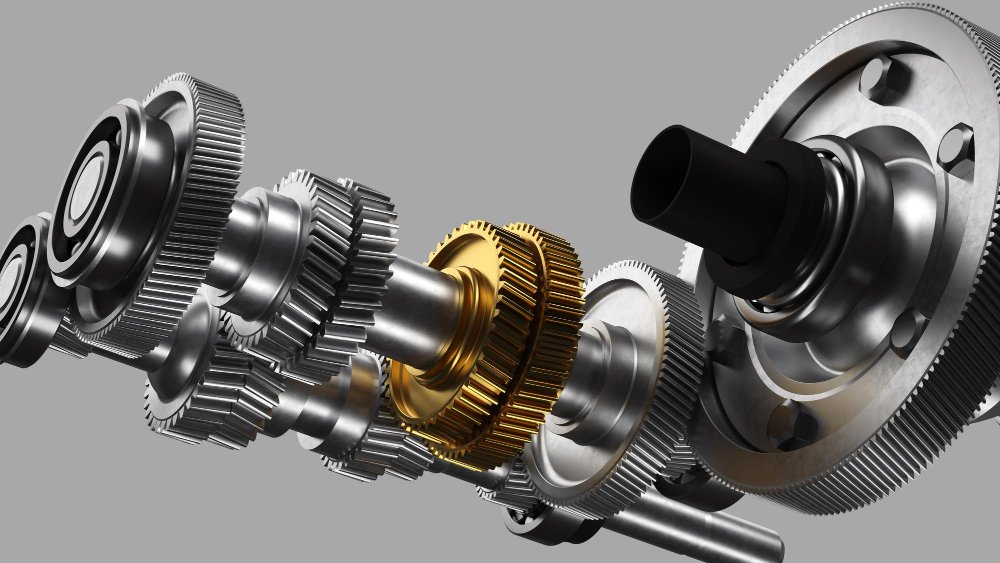
At its core, an industrial gearbox is designed to control motion. Motors often run at speeds too high for practical use, and gearboxes reduce this speed while increasing torque, ensuring machines can handle heavy loads without overheating or breaking down. Every gearbox is made up of several key components: gears that transfer and adjust motion, shafts that connect the motor to the machine, bearings that reduce friction and support smooth gear movement, housing that protects internal parts from dust and heat, and lubrication systems that keep moving parts cool and prevent wear. Together, these elements ensure machines operate safely and efficiently, even in demanding environments.
Different applications require different gearbox designs. Helical gearboxes are known for smooth, quiet operation thanks to angled teeth that engage gradually, making them common in conveyors, crushers, and mixers. Bevel gearboxes use conical gears to change drive direction, ideal for right-angle power transmission in printing machines and power plants. Planetary gearboxes are compact yet powerful, distributing load across multiple gears, and are widely used in robotics, aerospace, and packaging. Worm gearboxes provide high reduction ratios with self-locking ability, making them suitable for elevators and conveyors. Shaft-mounted speed reducers, or SMSR gearboxes, mount directly on the driven shaft, saving space and simplifying alignment, which makes them popular in mining and construction. Spur gearboxes, with straight-cut gears, offer simple and cost-effective power transfer in food processing and low-load applications.
Industrial gearboxes deliver several key benefits. They multiply torque, allowing smaller motors to achieve higher output. They reduce speed to match operational needs, improving efficiency and preventing damage. They balance motor inertia with load inertia, ensuring responsive systems and reducing overshoot. And they cut costs by enabling the use of smaller motors and drives, lowering energy consumption and equipment expenses. These benefits make gearboxes essential for industries seeking efficiency, reliability, and long-term savings.
Selecting the right gearbox requires careful consideration of several factors. The type of application and load is critical: heavy-duty industries like mining need gearboxes that withstand shock and high loads, while packaging requires precision. Speed and torque requirements must be matched correctly, since choosing the wrong ratio can cause inefficiency or failure. Efficiency and maintenance needs also matter, as gearboxes with strong materials and advanced lubrication systems last longer and reduce downtime. Finally, environmental and safety conditions must be accounted for. Gearboxes must be sealed and durable in dusty, moist, or high-temperature environments, while meeting safety standards to prevent failures or accidents. A well-chosen gearbox ensures smooth operations, lower costs, and improved safety.
Industrial gearboxes are used across diverse sectors. In manufacturing plants, they are essential for machines performing cutting, stamping, and assembly tasks, ensuring precise motion and consistent speed. In mining, gearboxes are built to handle extreme loads and harsh conditions in drills, crushers, and loaders. Conveyor systems rely on gearboxes to regulate belt movement and manage load handling in factories, warehouses, and airports. Power plants use gearboxes in turbines, pumps, and fans to manage mechanical energy, while renewable energy systems depend on them in wind turbines to adjust blade speed for efficient power generation.
Despite their durability, gearboxes can face issues over time. Overheating is often caused by poor lubrication or excessive load. Noise and vibration usually indicate misalignment, wear, or resonance. Lubrication failures, such as poor oil quality or contamination, accelerate wear and increase noise. Preventive maintenance is key to avoiding breakdowns. Regular inspections, oil analysis, and vibration monitoring help extend gearbox life and reduce costs compared to reactive repairs.
To ensure long-term performance, maintenance should focus on verifying lubricant type, viscosity, and levels, inspecting mounting bolts and alignment, monitoring temperature and vibration trends, and replacing worn gears or bearings before failure. Predictive maintenance strategies, including condition monitoring and oil analysis, detect problems early and prevent downtime.
Industrial gearboxes are the backbone of modern machinery. They multiply torque, reduce speed, and balance inertia, enabling machines to operate safely and efficiently across industries. From manufacturing and mining to power generation and material handling, gearboxes ensure smooth operations and long-term reliability. As industries move toward automation and smart factories, gearboxes are evolving into intelligent components of larger systems. The demand is no longer just for power but for precision, durability, and energy efficiency. Choosing the right gearbox, maintaining it properly, and adopting predictive strategies are essential for success in today’s industrial landscape. With advanced designs and better materials, industrial gearboxes are more reliable than ever, ensuring that the machines driving global industry remain powerful, efficient, and quiet.
References:
https://nisukaindustries.com/the-ultimate-guide-to-industrial-gearboxes/